


Puzzle Tips
Puzzle Tips
Small habits that make puzzle time feel more satisfying.
A good puzzle session is not about racing to the answer. It is about noticing patterns, testing ideas, adjusting your approach and enjoying the moment when one small clue unlocks the next.
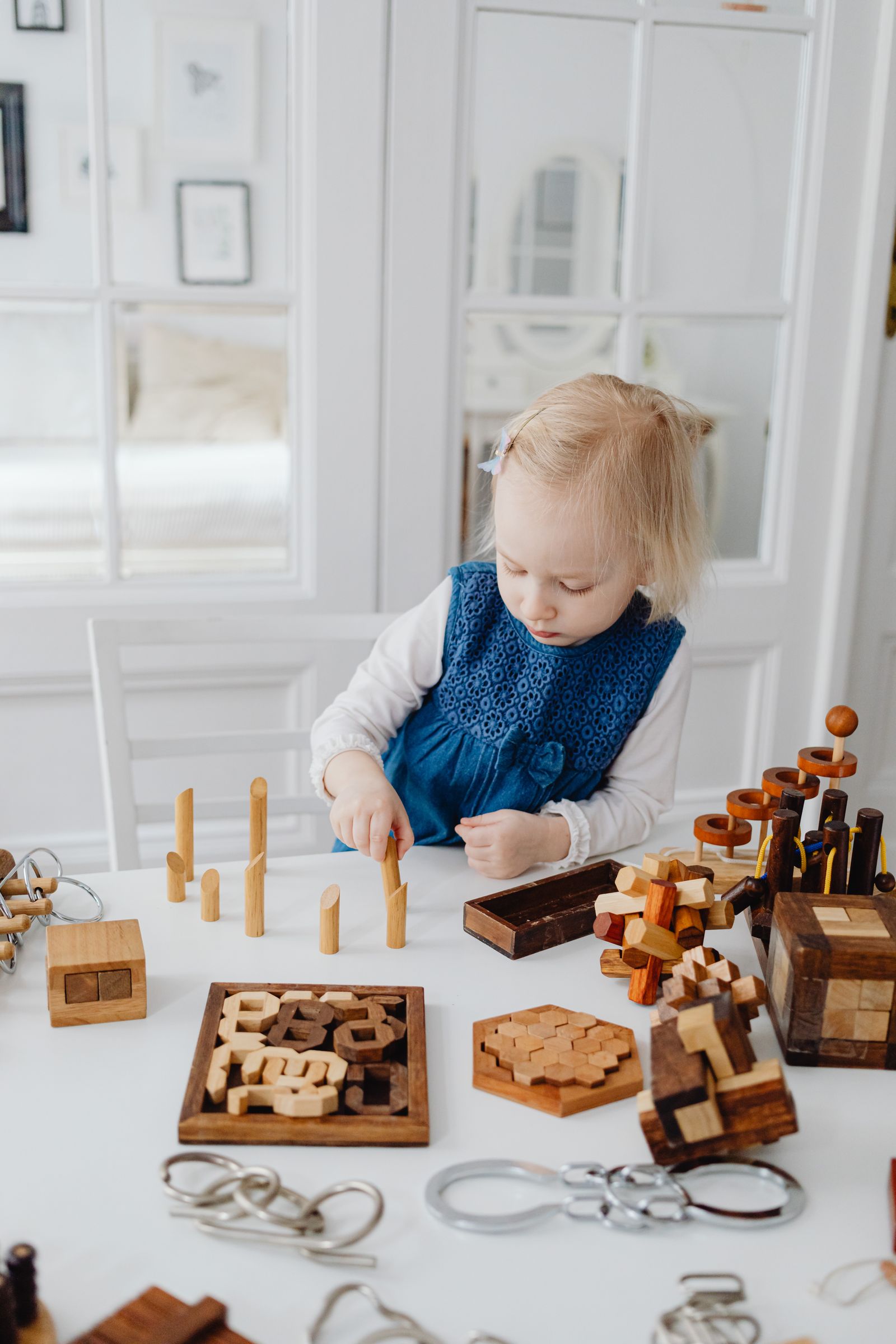
Start with the process
The best clue is often the one already in front of you.
Before changing everything, look at what is fixed: corners, color groups, repeated symbols, route limits, piece shapes, sequence rules or spaces that only one answer can fill. These anchors reduce guesswork and give the next move more meaning.
Build the edges of the problem.
For jigsaws, shape puzzles and spatial challenges, establish boundaries first. Knowing what cannot move is often as useful as knowing what can.
Sort before you solve.
Group pieces by color, shape, symbol, texture or function. A quick sort can turn one busy challenge into several smaller decisions.
Test one idea at a time.
In logic, maze and code-breaking challenges, change a single variable and watch what happens. Clear experiments reveal more than random movement.
Say the pattern out loud.
Naming what you notice can sharpen attention: “these two repeat,” “this route turns left,” or “every red piece touches blue.”
Use mistakes as information.
A move that does not work still rules something out. Reset calmly, keep the useful clue and try a different path instead of restarting blindly.
Stop before focus turns into friction.
A short break can help players return with fresh eyes. Puzzle time works best when challenge still feels inviting, not exhausting.
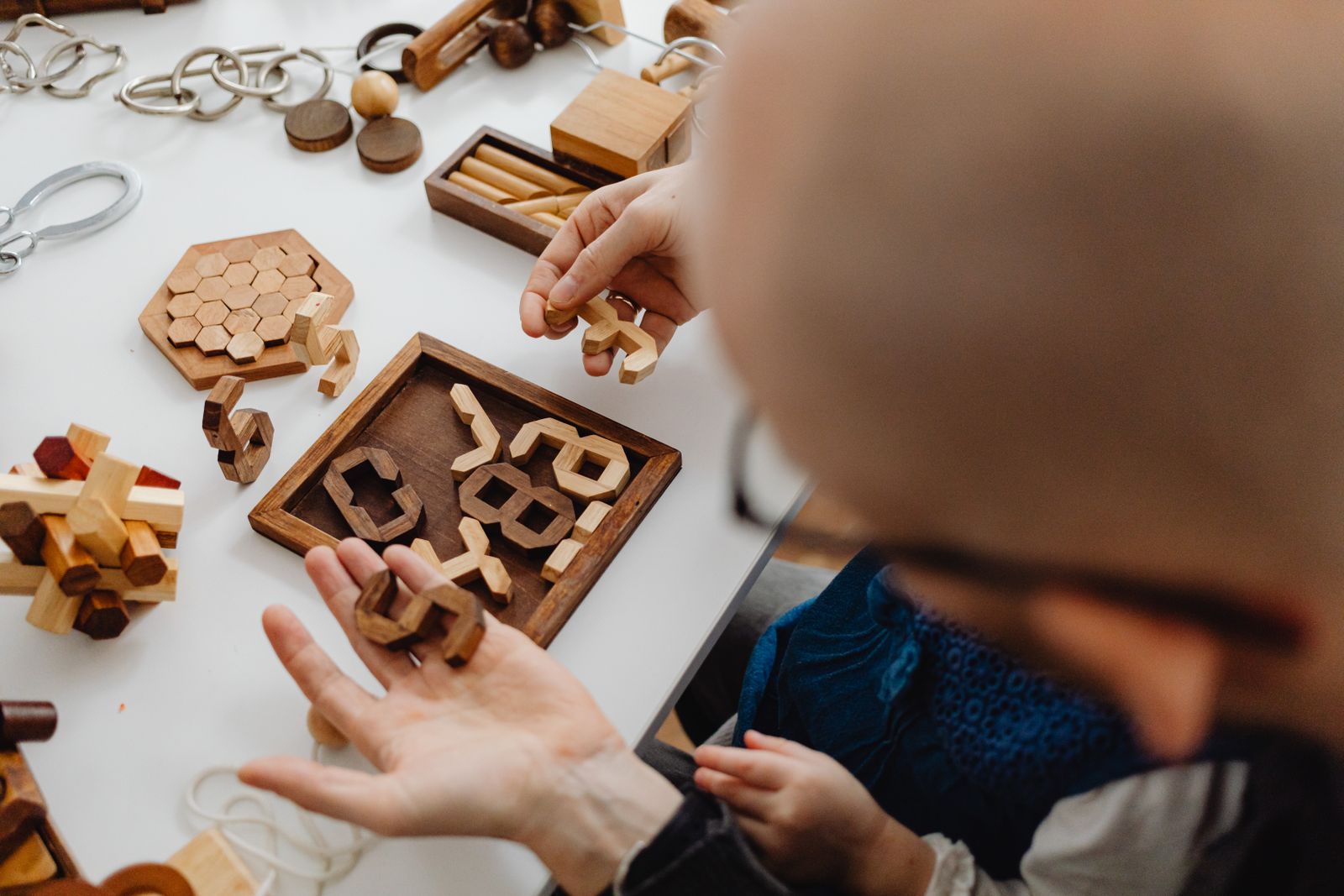
When you feel stuck
Reset the board without losing the thinking.
A simple reset routine keeps frustration from taking over while preserving the clues already discovered.
-
1
Pause the movement. Look at the full puzzle before touching another piece.
-
2
Name one thing you know. Choose a fixed rule, repeated pattern, edge or confirmed position.
-
3
Make the next move smaller. Instead of solving everything, search for one placement, one route or one comparison.
Match the challenge to the moment
Different puzzle moods call for different kinds of play.
Choosing the right format can make the activity easier to start and more enjoyable to continue.
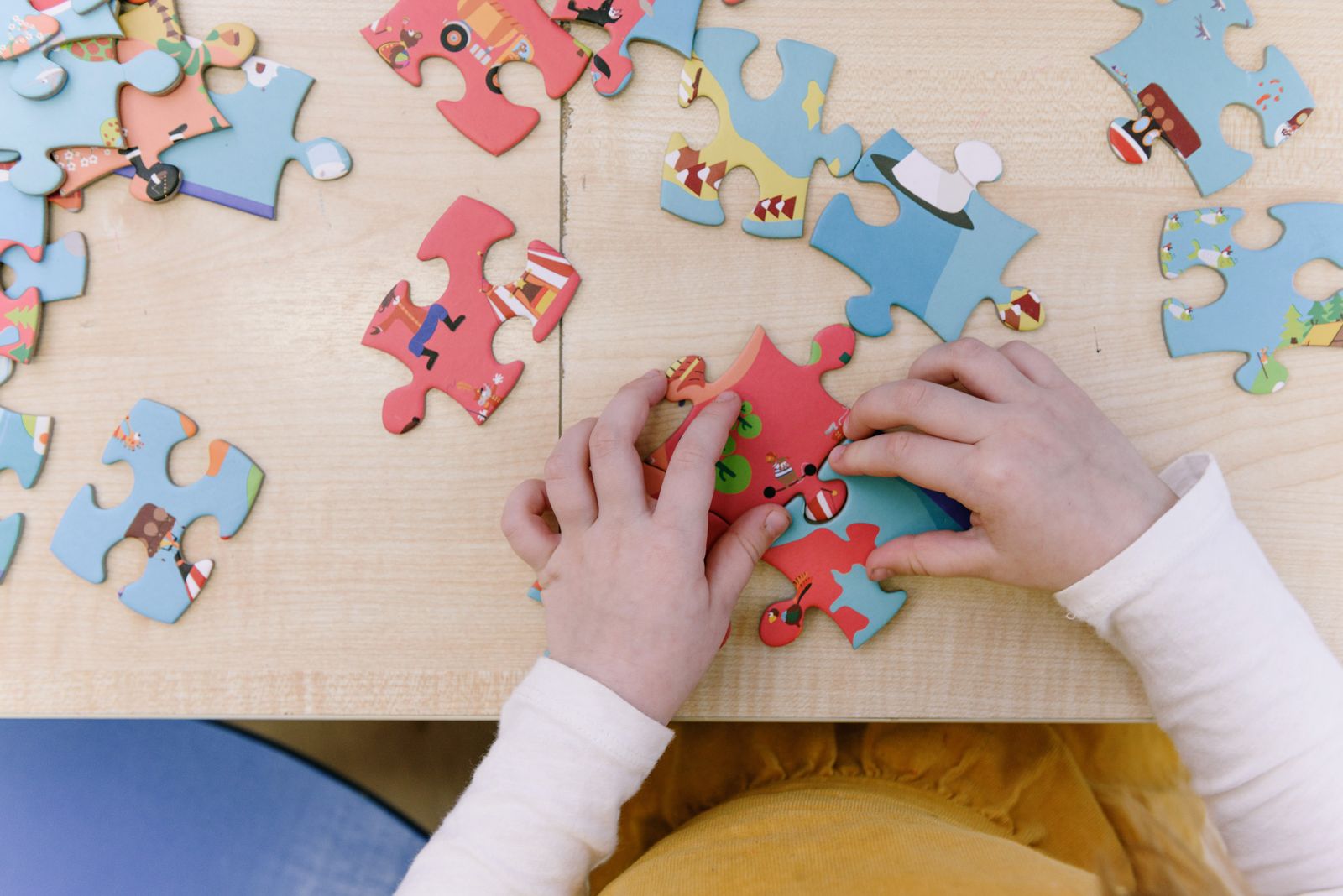
Choose a puzzle with a clear visual goal.
Visible paths, piece placement and pattern matching can make progress easy to see and satisfying to follow.
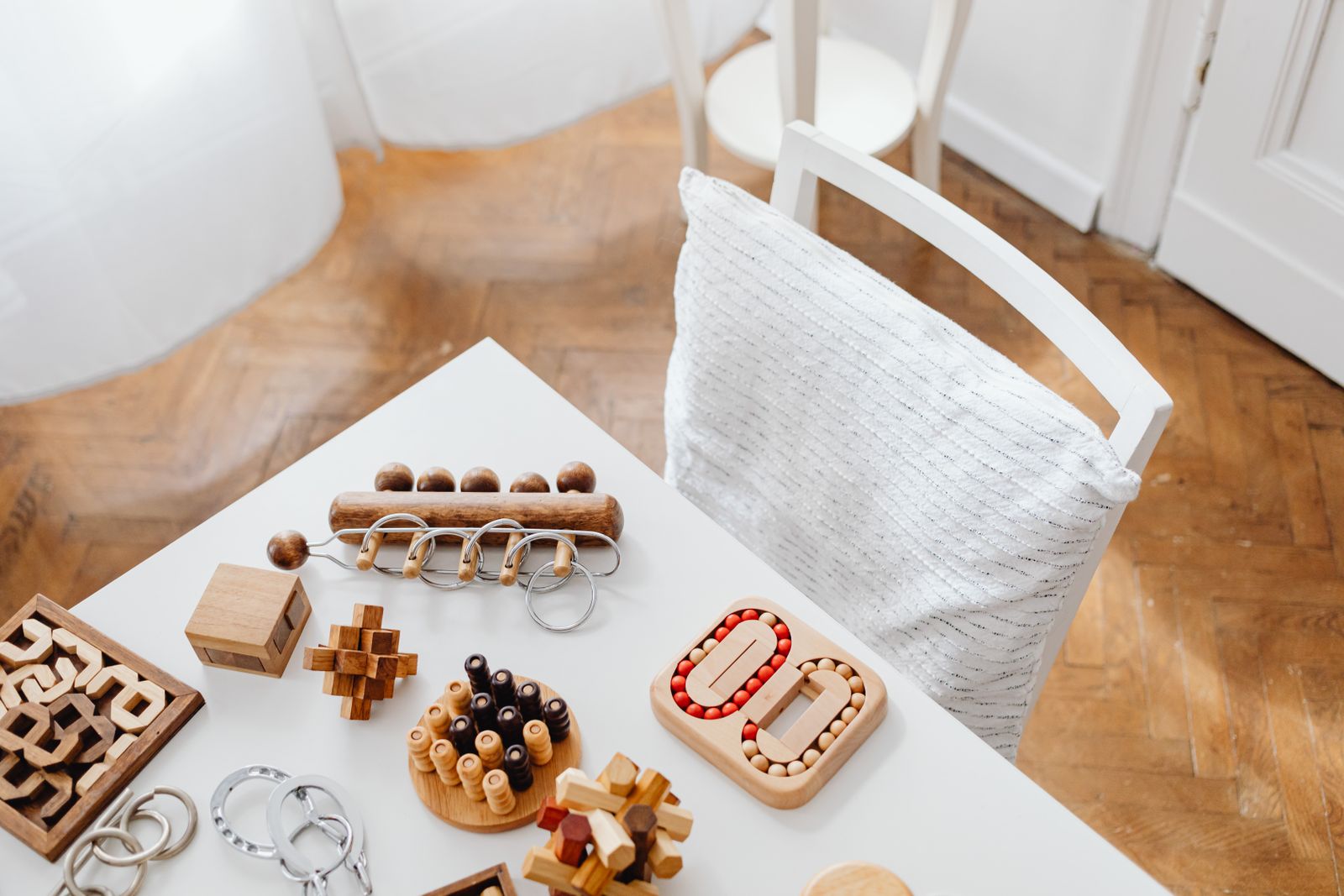
Choose something that can be built, rearranged or tested.
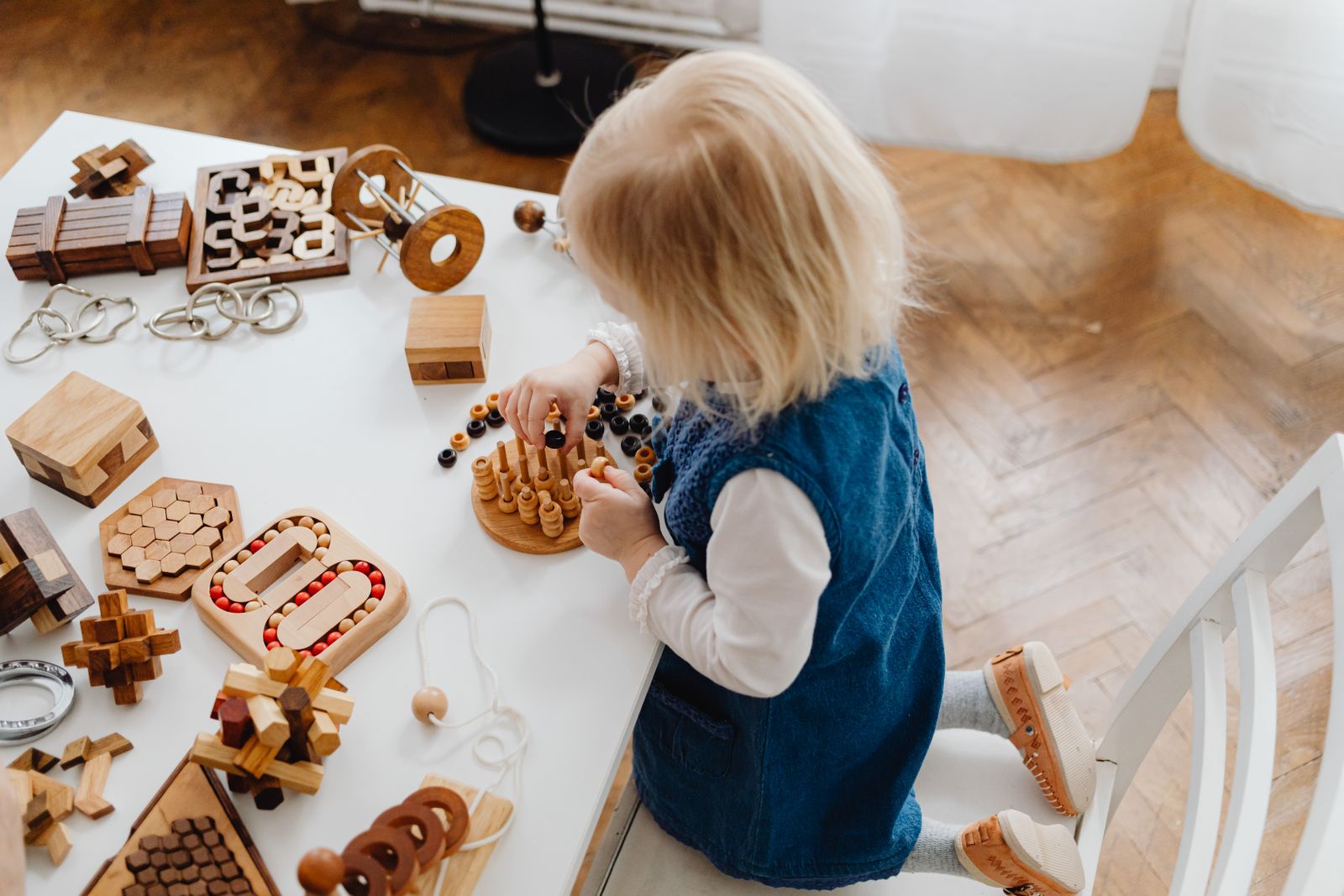
Mechanical puzzles, wooden brain teasers and spatial challenges invite comparison, sequencing and repeated experimentation.

Choose a challenge that makes room for conversation.
Parent-and-child logic tasks work well when players can explain choices, trade clues and celebrate a breakthrough together.
Create a better puzzle rhythm
Set up the space so thinking feels easy to return to.
A calm table, enough room for loose pieces and a simple place to pause can make puzzle play feel more intentional without making it formal.
Need help choosing?
Find a challenge that fits the player, the setting and the pace.
Questelle brings together thoughtful puzzles, brain teasers, learning toys and quiet play activities for different kinds of problem-solving moments.