


Learning Ideas
Learning Ideas
Turn everyday play into small moments of discovery.
Learning through play can be simple: notice a pattern, test a route, compare shapes, remember a sequence or solve one small problem together. Questelle activities are designed to make those moments feel inviting, hands-on and easy to revisit.
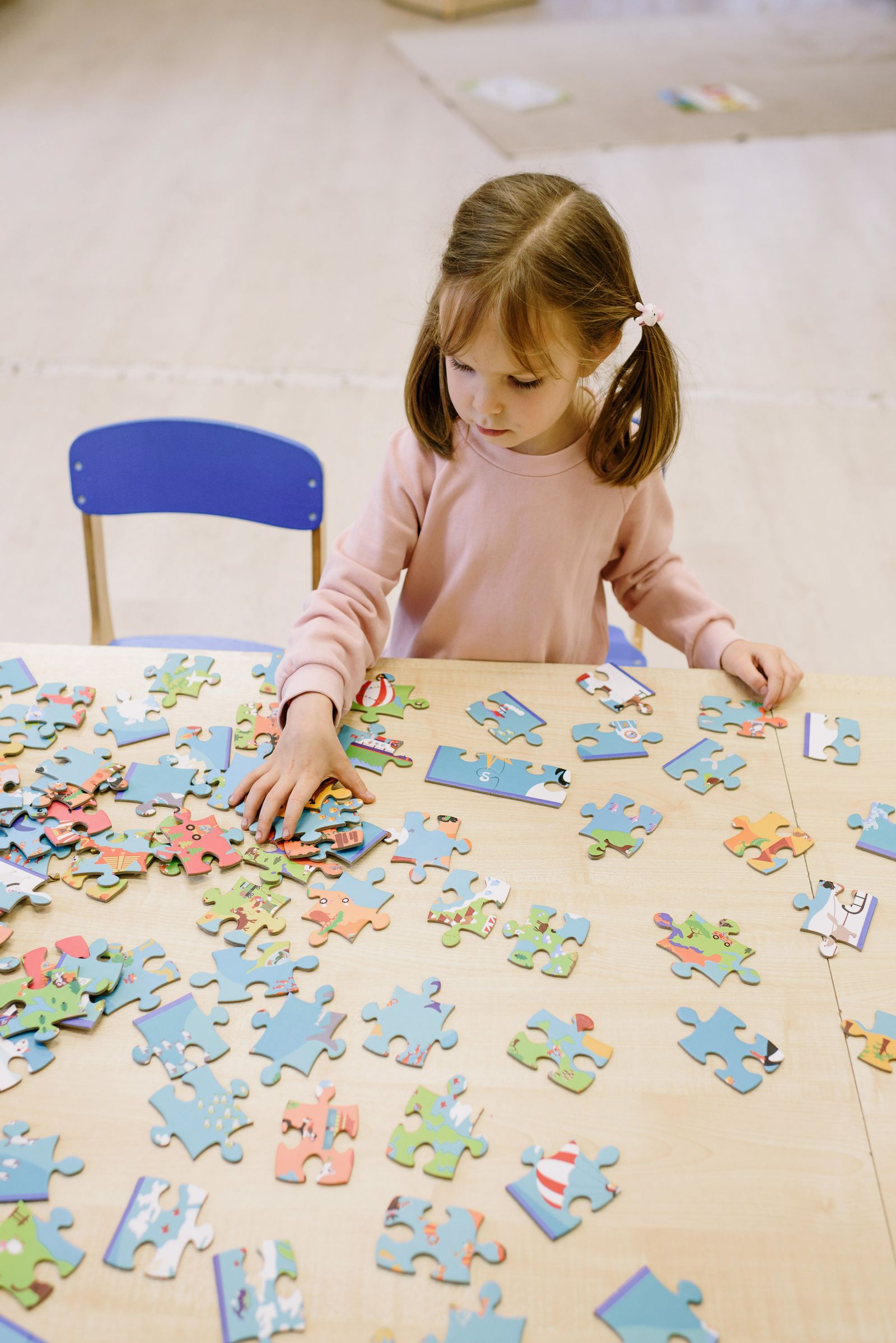
Keep it playful
One activity can invite more than one kind of thinking.
Choose one skill to notice instead of turning play into a lesson. A maze can become a route-planning challenge, a wooden puzzle can become a shape comparison activity, and a code puzzle can become a conversation about clues and choices.
Notice and name.
Ask the player to spot one repeated color, shape, route, symbol or movement before making the next move.
Sort and compare.
Group pieces by one visible feature, then change the rule and see how the same pieces can be organized in a new way.
Predict the next move.
Before touching the puzzle, pause and ask what might happen next. Then test the idea and compare the result.
Explain the solution.
After solving, retrace the path or sequence and describe what made the final choice work.
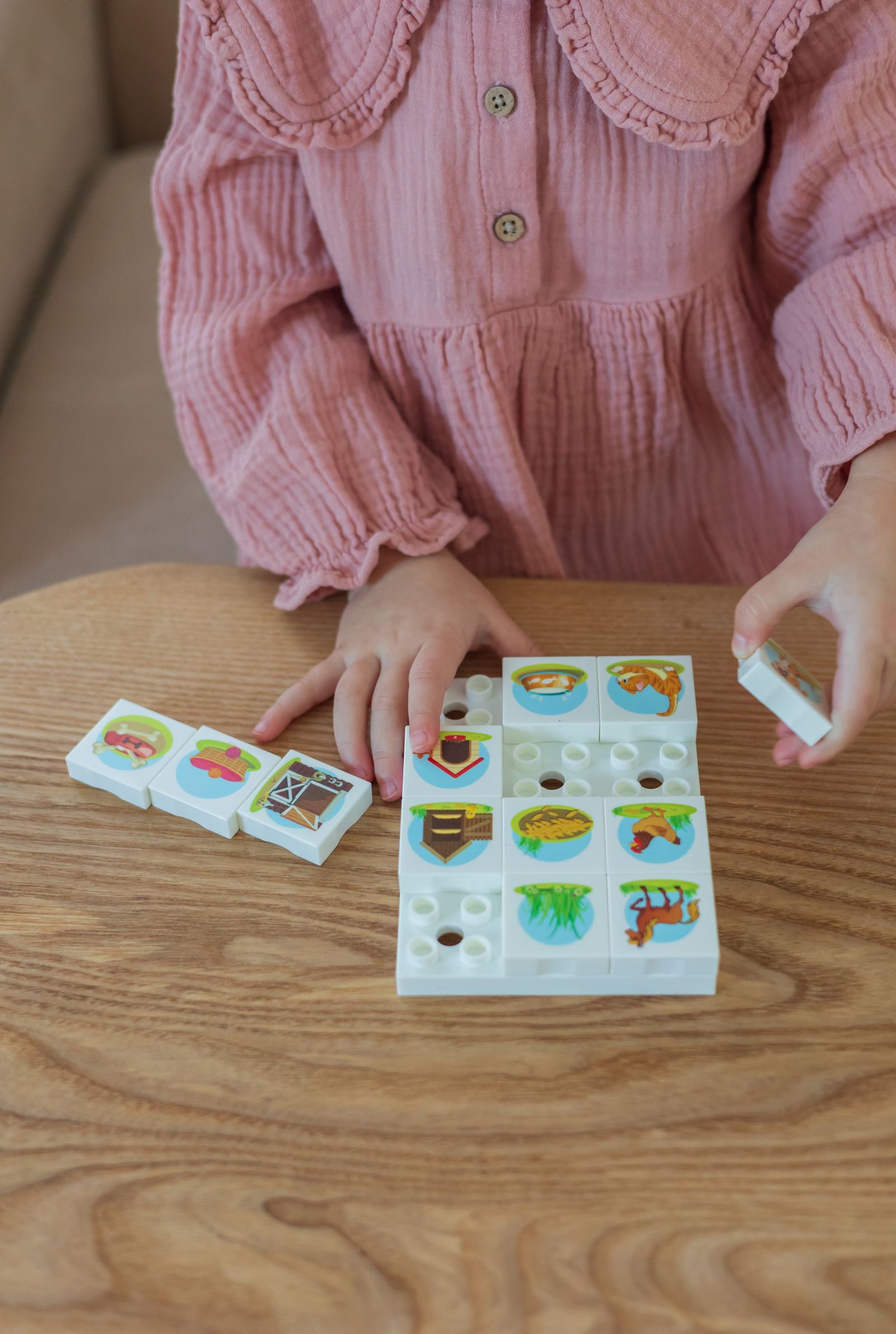
A five-minute learning loop
Make the activity short enough to repeat and open enough to explore.
A small routine can help players enter the challenge without pressure and leave with a clear idea they can return to later.
-
1
Choose one goal. Find a route, match a pattern, unlock a piece or complete one sequence.
-
2
Try one strategy. Sort, rotate, compare, count, trace or test a single idea.
-
3
Notice what changed. Use the result as the clue for the next attempt.
Ideas for different moments
Match the activity to the kind of attention available.
A short table activity, a focused puzzle session and a shared family challenge can all support thoughtful play in different ways.
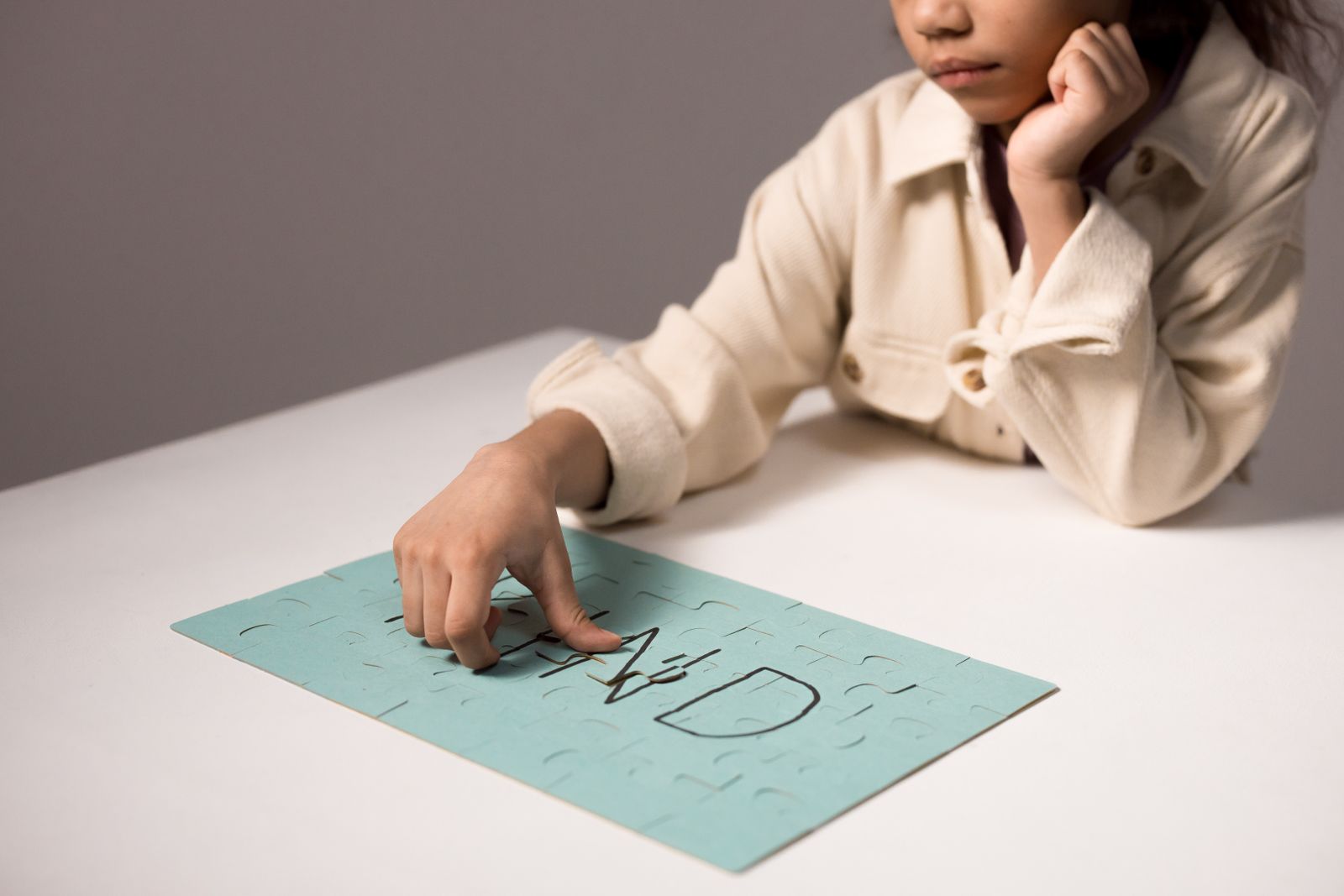
Follow one clue all the way through.
Use a maze, logic puzzle or spatial challenge and ask the player to explain why each move follows from the previous one.
Build a challenge from the pieces already on the table.
Arrange wooden pieces, shapes or learning components into a simple rule, then change one detail and ask what needs to move.
Create a mini challenge that can be finished in one sitting.
Travel-friendly puzzles, number challenges and magnetic activities work well when the goal is compact, visible and easy to pause.
Parent and child play
Use questions that keep the thinking with the player.
The most useful prompt is often one that invites observation instead of giving away the answer. A small question can open the next step while still leaving room for independent problem-solving.
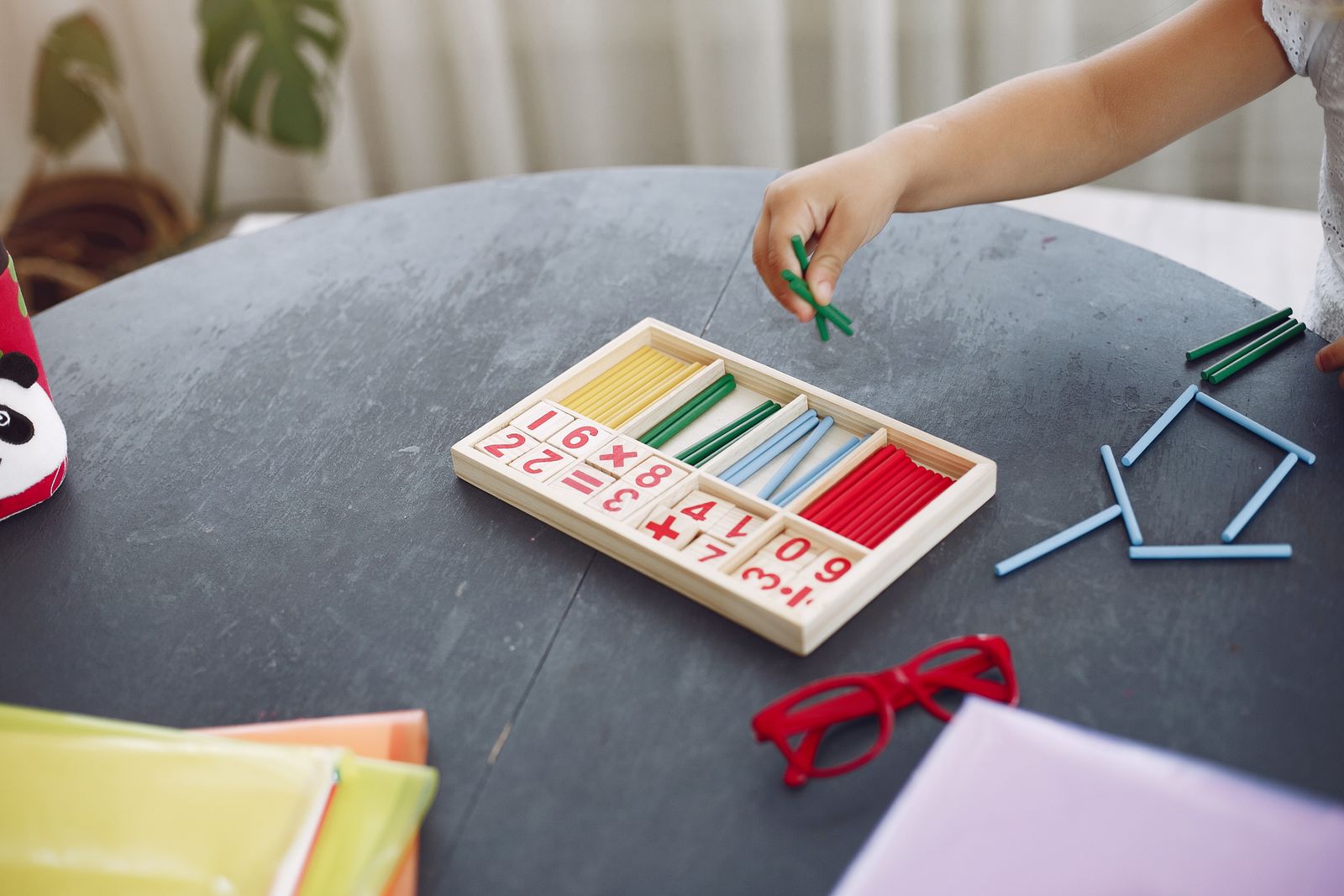
Keep exploring
Choose learning play that fits the skill, setting and pace.
Explore Questelle puzzles, brain teasers, learning toys, maze activities and hands-on challenges for thoughtful everyday play.