


Age-Based Play
Age-Based Play
Choose play that meets curiosity where it is today.
Age can be a useful starting point, but the best fit also depends on attention, confidence, fine-motor comfort and the kind of challenge a player enjoys. Questelle makes it easier to compare puzzle styles without turning age into a rigid rule.
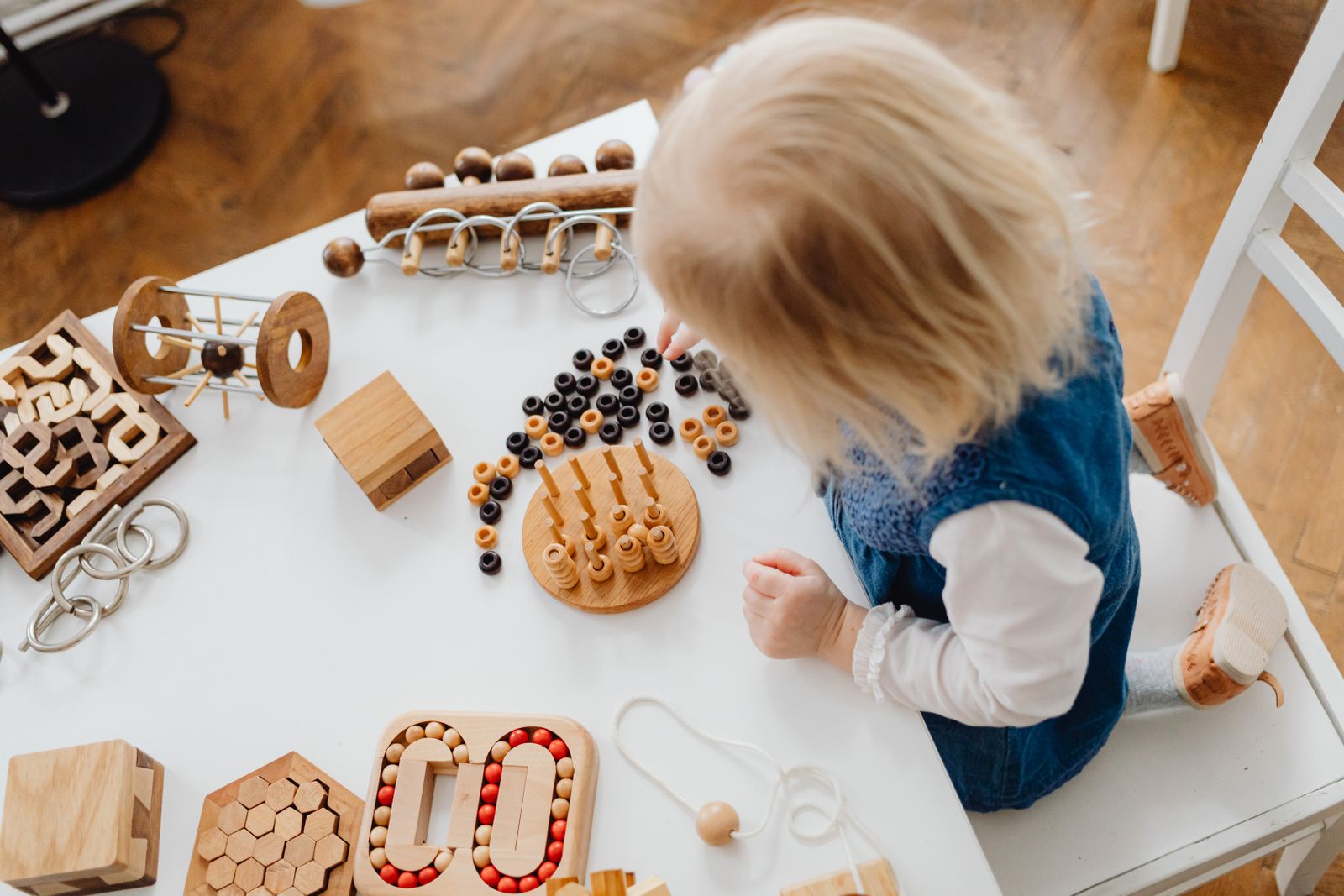
A flexible guide
Look at the player, not only the number on the box.
Start with age guidance, then notice how the player responds. If the activity feels too easy, add a new rule or choose a deeper challenge. If it feels frustrating, simplify the goal, reduce the number of pieces or work together for a few turns.
Explore through touch, shape and simple cause-and-effect.
Look for large pieces, clear visual goals, simple matching, magnetic paths and fine-motor activities with short repeatable actions.
Build confidence with patterns, routes and early logic.
Shape puzzles, beginner mazes, sorting tasks and sequence activities can introduce planning while keeping the goal easy to see.
Add more steps, choices and independent problem-solving.
Logic puzzles, code-breaking activities, spatial challenges and number games can offer richer choices without making the setup overly complex.
Invite deeper strategy, deduction and multi-step challenges.
Mechanical puzzles, advanced logic tasks, Sudoku-style challenges and layered brain teasers can reward patience, testing and longer solution paths.
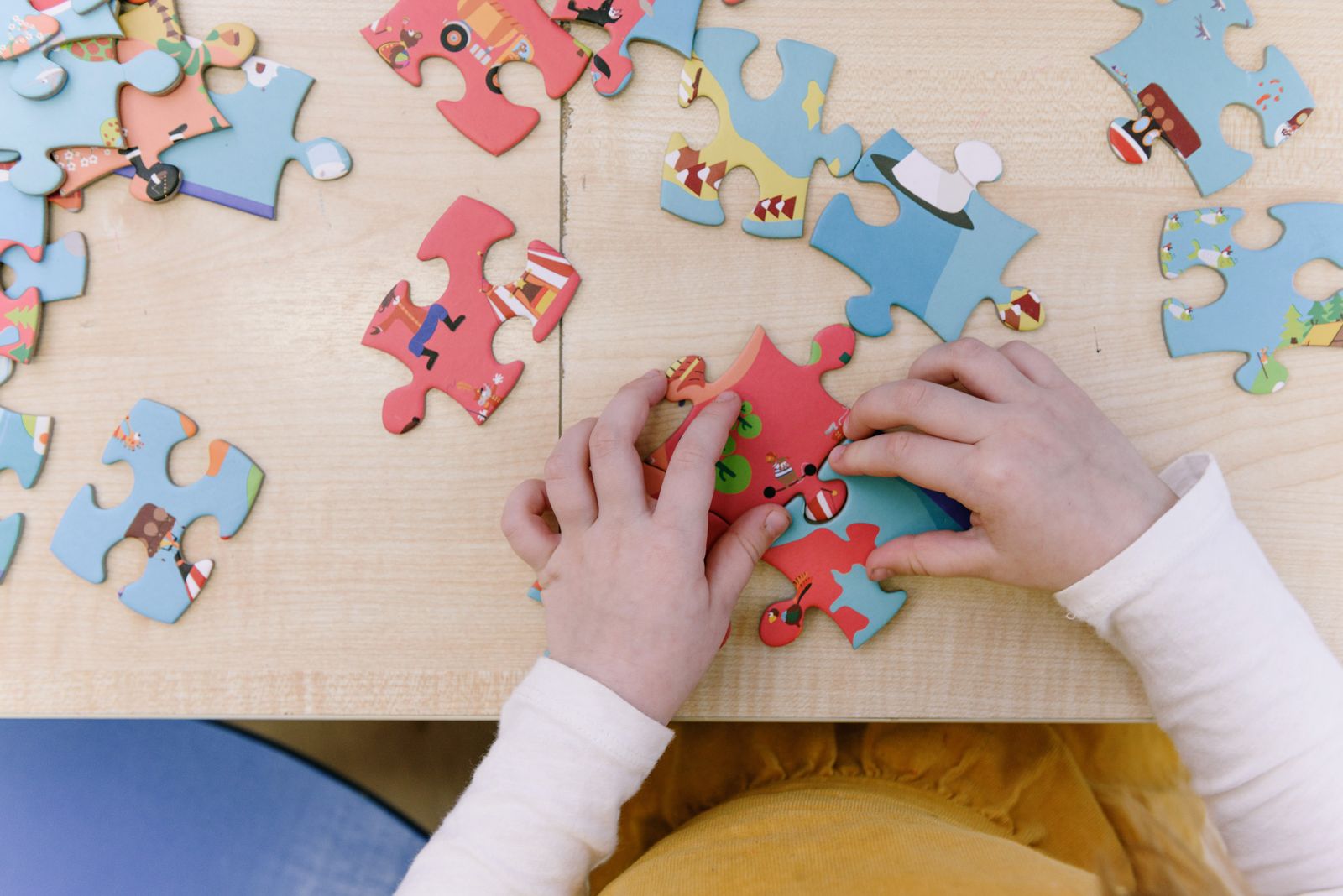
Three signs of a good fit
The right challenge feels interesting before it feels overwhelming.
A well-matched activity should leave enough room for experimentation while giving the player a realistic way to make progress.
-
1
The goal is understandable.The player can see what they are trying to build, match, unlock or solve.
-
2
Progress is visible.Each successful move gives a clue about what to try next.
-
3
There is room to return.The activity can be repeated, varied or revisited without feeling identical every time.
Match play to the stage
Different stages benefit from different kinds of challenge.
Use these ideas as a practical starting point, then adjust the pace and complexity to the individual player.
Keep the action concrete and the goal visible.
Matching shapes, moving pieces through a path and arranging simple patterns can make the relationship between action and result easy to understand.
Offer clues without taking over the solution.
Shared puzzle time can shift from direct help to open prompts such as “What do you notice?” or “Which piece could you test first?”
Increase complexity by adding decisions, not just more pieces.
Older players may enjoy puzzles that require deduction, sequencing, route planning, code breaking or testing several possible strategies before the solution becomes clear.
Beyond age labels
Use skill signals to fine-tune the choice.
Two players of the same age can enjoy very different kinds of puzzles. Look at what already feels comfortable, then choose one next step that adds interest without changing everything at once.
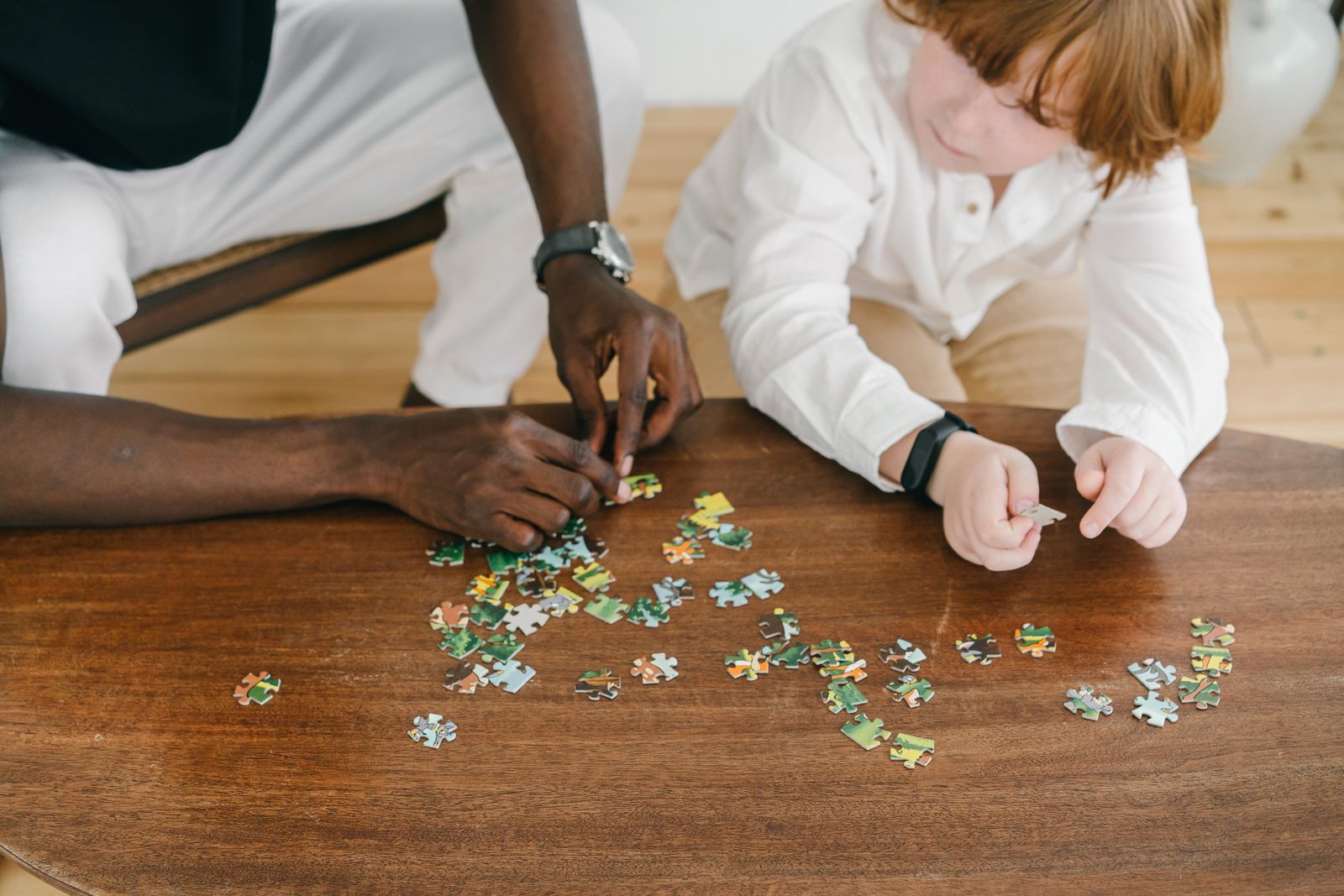
Keep the balance
A little challenge is useful. Too much friction changes the experience.
If a puzzle stalls, adjust one part of the activity instead of abandoning it immediately. Small changes can make the same challenge feel more approachable.
Find the right fit
Explore puzzles and learning toys by age, skill and play style.
Questelle brings together logic puzzles, brain teasers, STEM activities, maze challenges, magnetic play and hands-on learning options for different stages of play.