


Insights & Inspiration
Ideas that make thoughtful play feel fresh.
Explore practical ways to choose, introduce and enjoy puzzles, logic challenges, STEM activities and hands-on learning toys at home, on the go and together as a family.
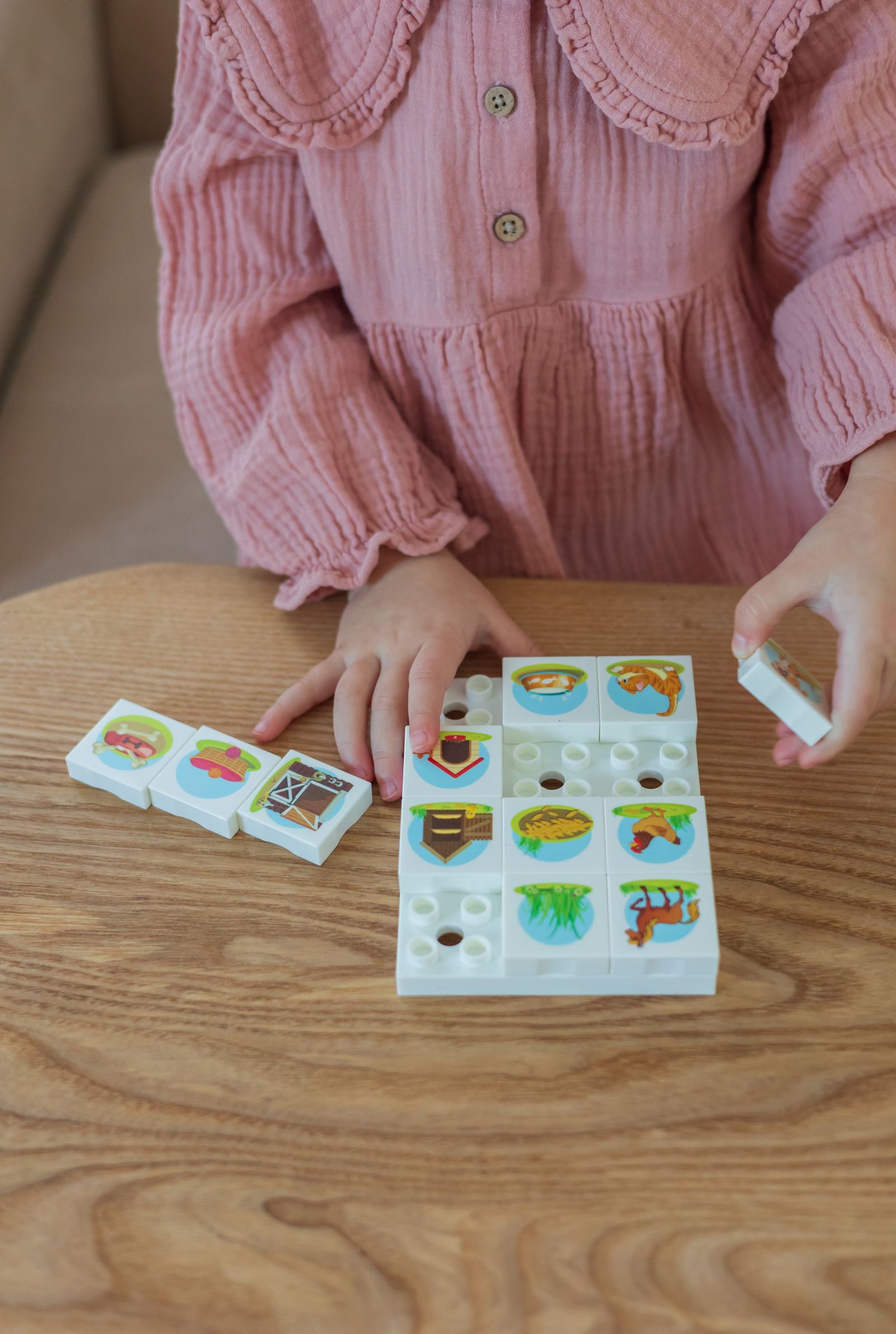
Featured ideas
Three ways to look at learning through play.
Thoughtful play is not about rushing toward a solution. It is about noticing, testing, adjusting and returning with a new idea. These simple perspectives can help make that process more enjoyable.
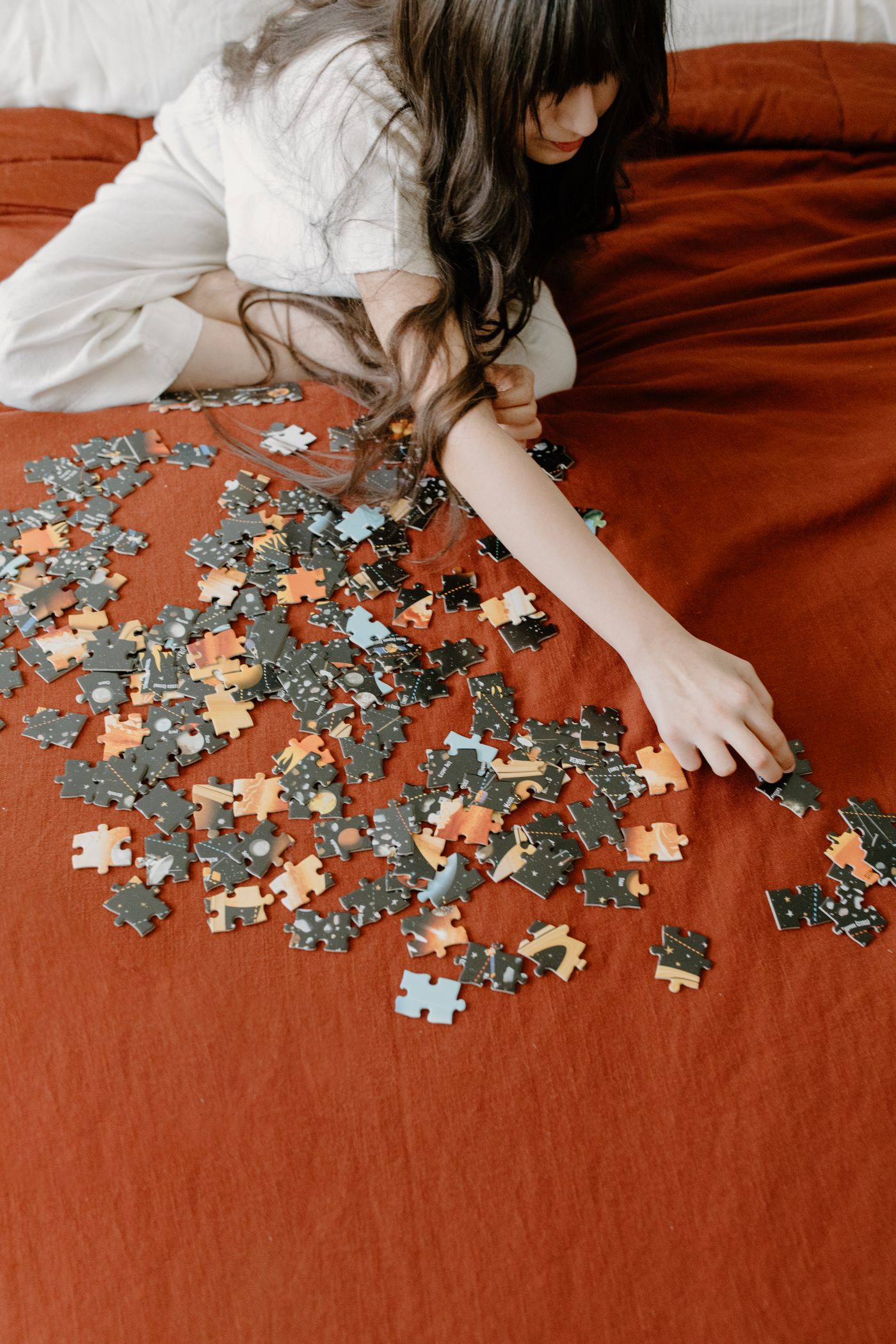
Why quiet challenge time can feel different
A calm setup with fewer distractions can give children more room to study a puzzle, test possibilities and stay with an idea for longer.
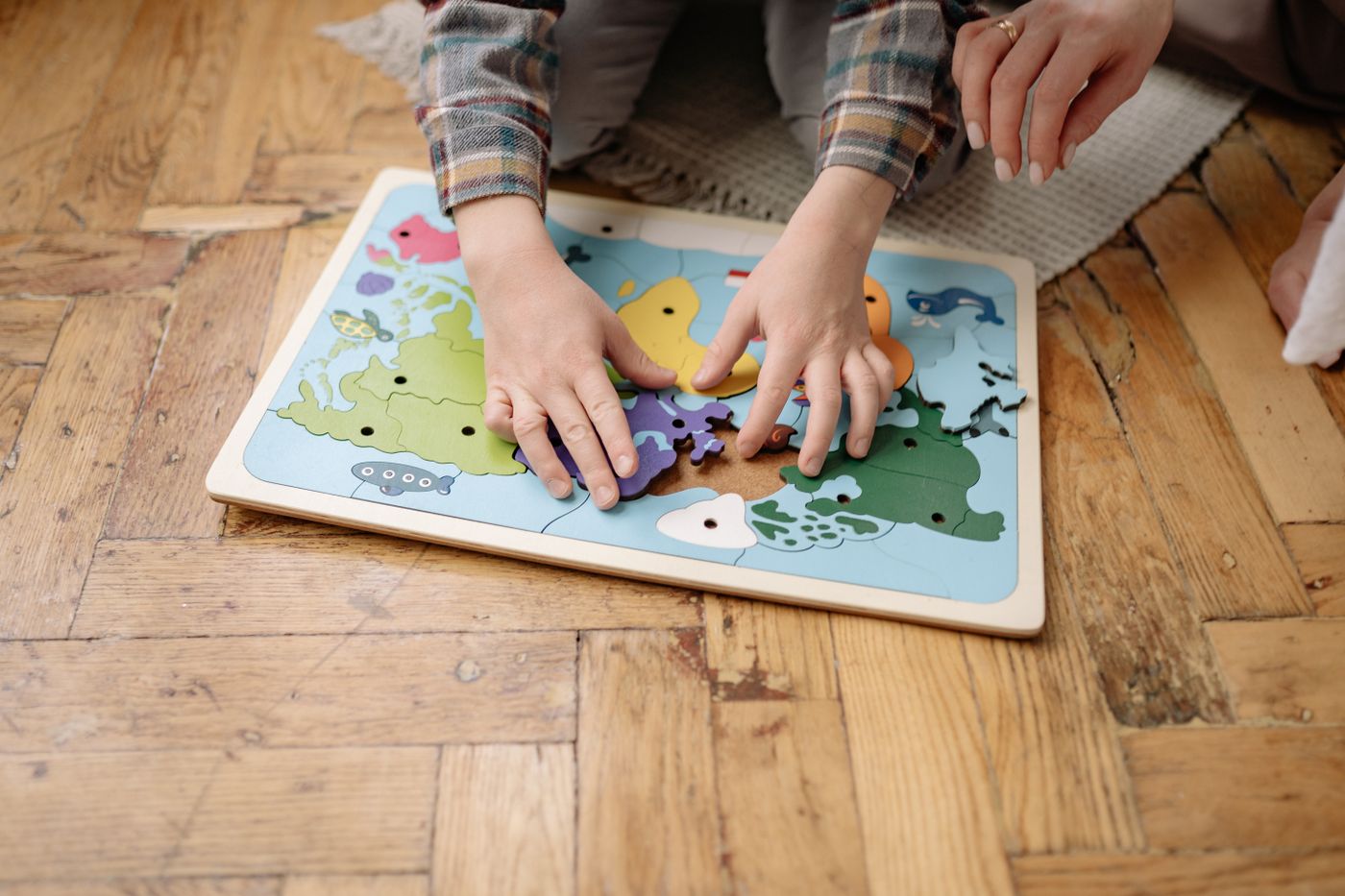
Let the wrong move teach something
When a piece does not fit or a path reaches a dead end, the useful moment is often the pause that follows: what changed, and what could be tried next?
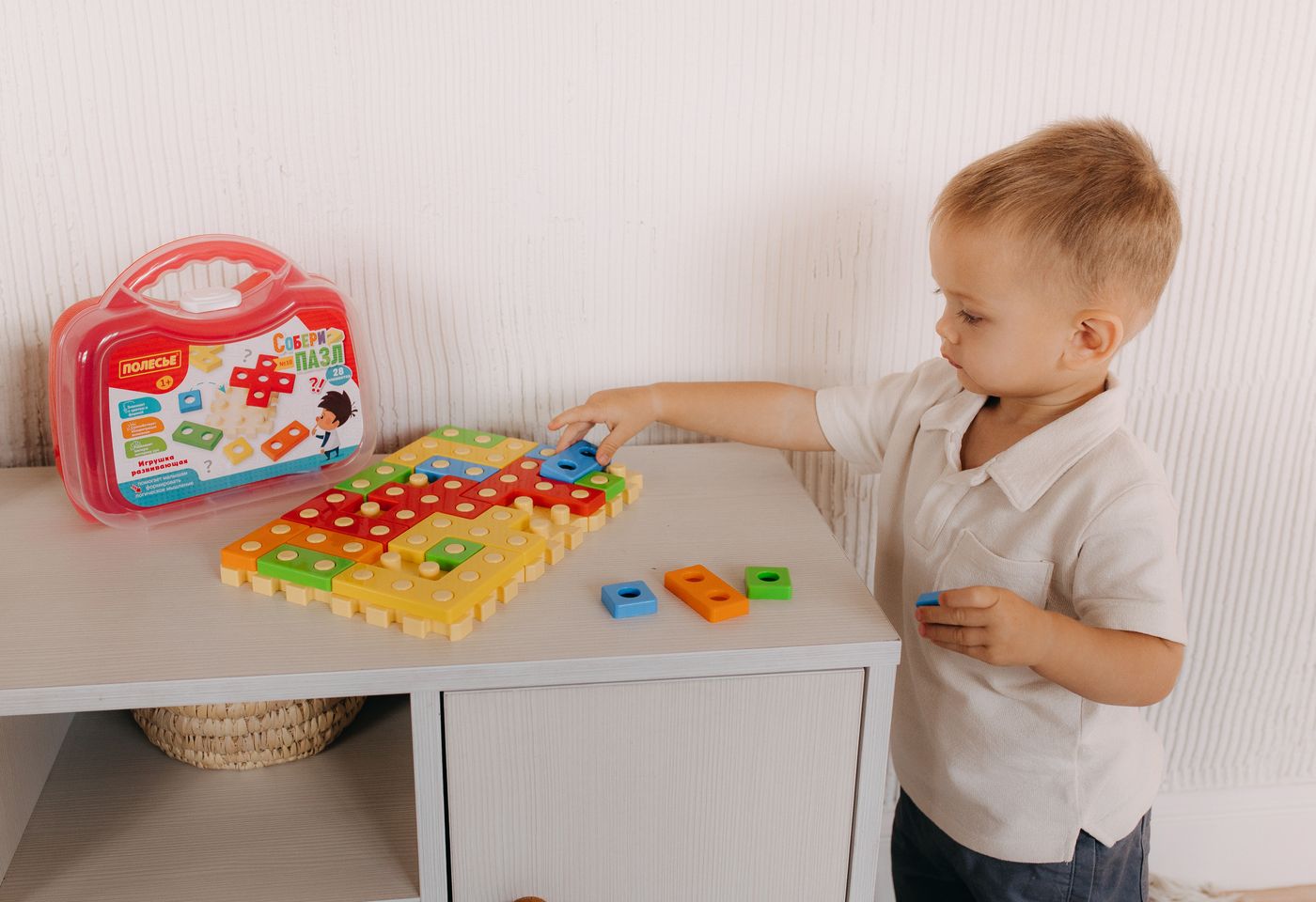
Make a familiar activity feel new again
Change the starting position, choose a different rule or ask for an explanation instead of just the answer. A small variation can create a fresh challenge.
Explore by interest
Different challenges, different ways to think.
Each play style invites a different kind of attention. Choosing by interest can be just as useful as choosing by age.
Logic & deduction
Look for clues, compare possibilities and work through a challenge one decision at a time.
Mazes & pathways
Trace routes, plan ahead and adjust when the first path does not lead where expected.
Shapes & spatial play
Rotate, arrange and compare pieces to build visual solutions from different perspectives.
STEM exploration
Assemble, test and investigate simple systems through active, hands-on problem-solving.
A useful play principle
Give the process more attention than the finish line.
The most interesting part of many puzzles is what happens before the answer: comparing pieces, noticing a pattern, changing direction and explaining why a move might work.
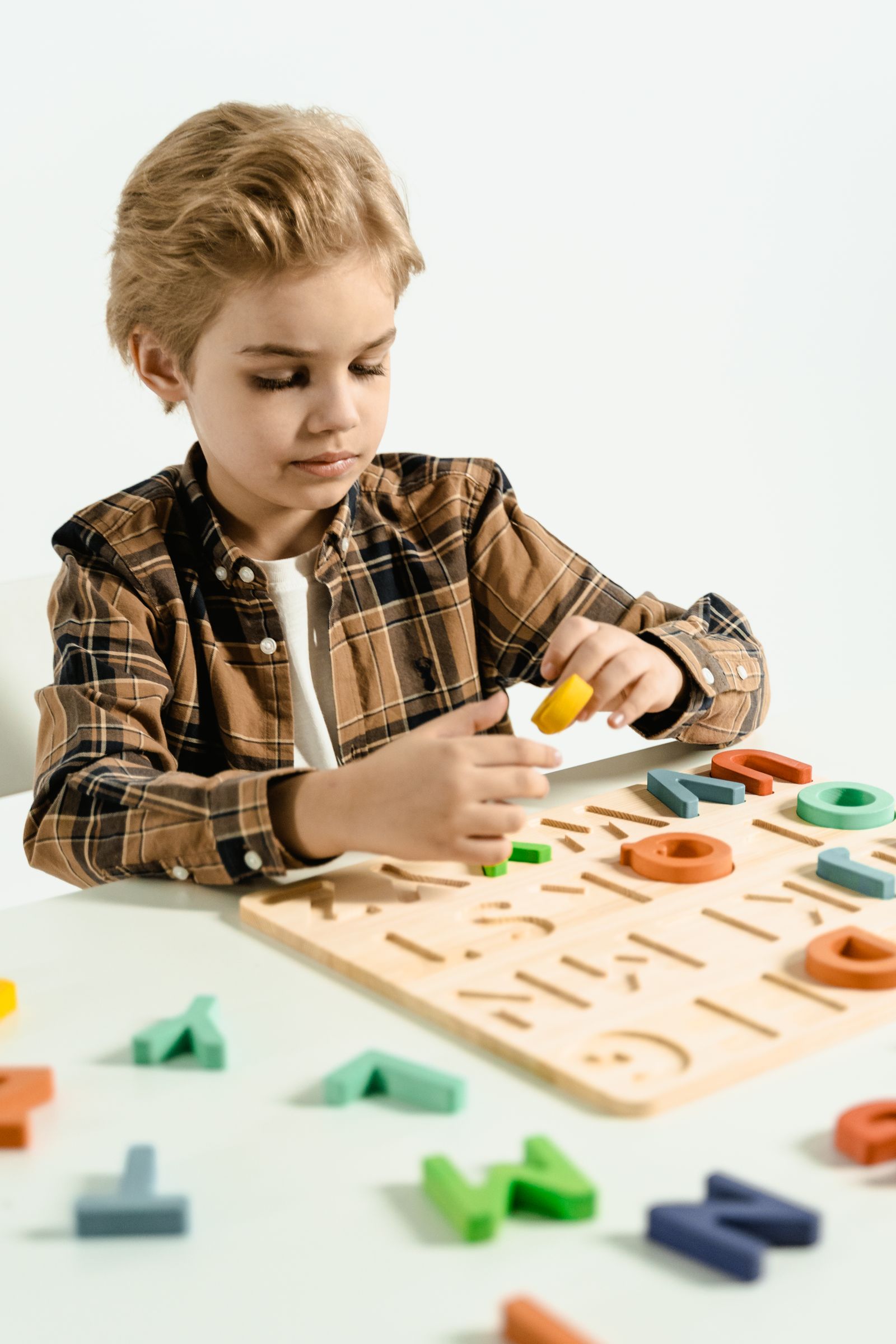
Everyday inspiration
Small ideas for real family routines.
Meaningful play does not need an elaborate setup. A short, repeatable habit can make it easier to bring puzzles and learning activities into everyday life.
Keep one challenge visible
Leave a favorite brain teaser or puzzle where it can be revisited naturally instead of putting every activity away after one session.
Create a five-minute start
Begin with one short challenge rather than planning a long activity. If interest continues, the play session can grow on its own.
Take one puzzle on the go
Choose a compact magnetic, number or slide challenge for quieter travel and waiting moments where a self-contained activity is useful.
Explore further
Find a challenge that matches the moment.
Browse Questelle collections by play style, or contact us if you would like help narrowing the options between logic puzzles, mazes, STEM activities, magnetic play and other thoughtful challenges.